Why Custom Packaging is Crucial for FMCG Brand Success
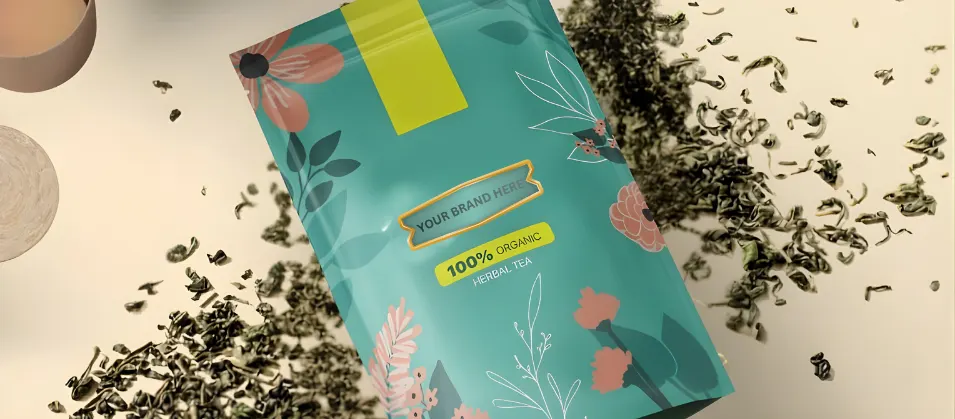
In FMCG, products do not get much time to make an impression.
A shopper looks at the shelf, makes a quick decision, and moves on. That means packaging for FMCG products is doing a lot more work than most people realize. It is not just holding the product. It is helping sell it and make the brand easier to remember.
That is why custom packaging matters so much. It gives brands a real chance to stand out, communicate clearly, and build trust before a customer even tries the product.
Why Packaging Matters So Much in FMCG
FMCG products are stored in a crowded space. They compete with dozens of similar items, often in the same category, size, and price range. In that kind of setting, packaging becomes the first filter.
If it looks unclear, weak, or generic, people often skip it.
Good packaging helps a product do several things at once:
- Catch attention quickly
- Signal product quality
- Make the brand easier to remember
- Give useful information at a glance
- Build confidence at the point of purchase
That is why packaging is not a final step. It is part of the brand experience from the start.
What Custom Packaging Actually Does for a Brand
Custom packaging is packaging designed around the product, the brand, and the customer, instead of using a one-size-fits-all format.
That sounds simple, but the impact is huge.
With custom packaging, a brand can decide how it wants to show up. It can match the packaging to the product shape, storage needs, market position, and visual identity. That gives the brand more control over how the product is seen and understood.
It also helps the brand feel more deliberate. A product with custom packaging does not look like an afterthought. It looks planned. That matters when buyers are comparing options and trying to decide what feels trustworthy.
The Main Benefits of Product Packaging Design
Strong product packaging design is not about making something look attractive. It is about helping the product perform better in the market.
Makes initial impressions
The first impression usually ends up being the only impression made by the product. A good package is sure to grab the interest of any consumer.
Establishes brand identity
The consistent use of colors, shapes, fonts, and other elements allows consumers to recall the brand. This creates a sense of identity for the product and leads to recognition through repeated exposure.
Enhances product protection
A package isn’t just meant for making an aesthetic appeal but also has practical uses. The package must serve as a protective cover while in transit.
Boosts perceived value
An impressive package will always make the product seem more valuable. This can be helpful when trying to market it within a highly competitive category.
Contributes to usability
Apart from all this, the consumer will also have an interest in how the product will perform in their day-to-day life. Easy opening, practical storage, clear labelling, and portability all matter. If packaging frustrates the buyer, the experience suffers.
Why FMCG Brands Cannot Rely on Generic Packaging
Generic packaging may seem easier at first. It is often cheaper and faster to start with. But the long-term cost can be higher.
Why? Because it does not say enough.
A plain or standard pack can make a product blend in with everything else on the shelf. It may not reflect the brand properly. It may not communicate quality. And it may not give customers a clear reason to choose it over another product.
In FMCG, where buying decisions happen quickly, blending in is a problem.
Brands need packaging that does more than sit there. It should help the product feel distinct, relevant, and easy to recognize.
How Product Packaging Design Supports Marketing
Packaging is one of the most visible parts of a marketing strategy. In many cases, it is the first branded message a customer sees before buying.
That means packaging can help with:
- Positioning the product clearly
- Communicating product benefits
- Reinforcing brand story
- Improving shelf visibility
- Encouraging repeat purchase
A strong package does not need to say everything. It just needs to say the right things clearly.
The best packaging for FMCG products works almost like a silent salesperson. It does not try too hard. It simply makes the product easier to understand and easier to trust.
The Link Between Packaging and Trust
Buyers judge quickly. Often, they judge before they read the label.
A clean, professional pack sends a message that the brand cares about detail. A poor or rushed package can send the opposite message, even if the product inside is good.
That matters especially in food and everyday FMCG categories, where trust plays a big role. If the packaging feels careless, customers may assume the product is careless too.
This is why product packaging design should never be treated as decoration. It is part of credibility.
Packaging as a Competitive Advantage
When a product is well packaged, it becomes easier to notice, easier to remember, and easier to choose.
That gives the brand an advantage.
A distinctive shape, a sharper visual identity, or a smarter format can help a product stand apart from similar options. In crowded stores and online listings, that difference matters more than many brands expect.
Packaging becomes a competitive edge when it helps the product do three things well:
- Stand out
- Stay consistent
- Feel reliable
That combination is powerful in FMCG, where customers often buy familiar-looking products without much hesitation.
What FMCG Brands Should Look for in Packaging
Not all good packaging looks the same, but strong packaging usually has a few things in common.
Brands should look for:
- Clear product fit
- Strong shelf appeal
- Consistent branding
- Practical functionality
- Quality materials
- Readable labelling
- Scalability for production
- A design that supports the target market
If the packaging looks good but does not work well, it will create problems later. The best choice balances appearance with usability.
Where Ess Pee Fits Into the Conversation
For brands looking at packaging more strategically, this is where a manufacturing partner matters.
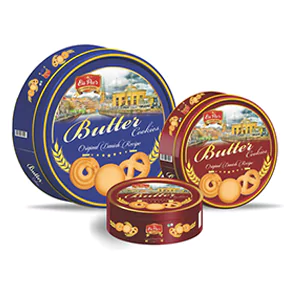
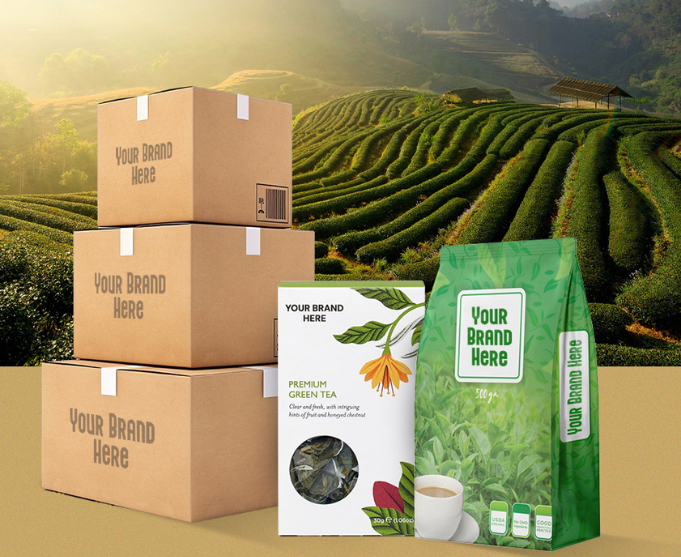
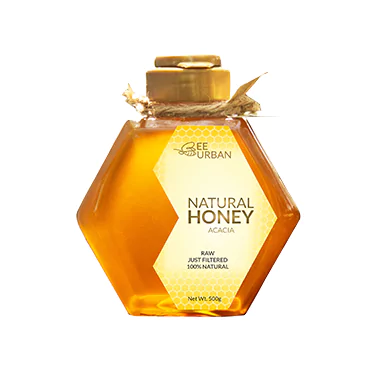
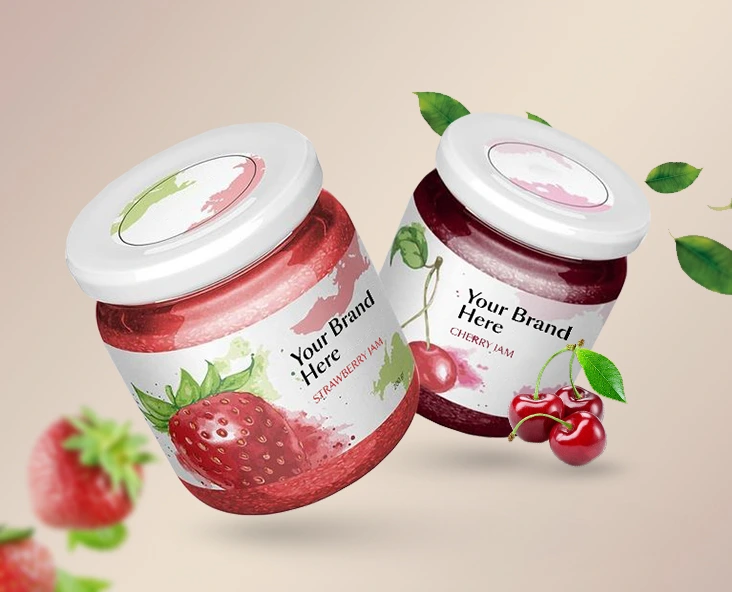
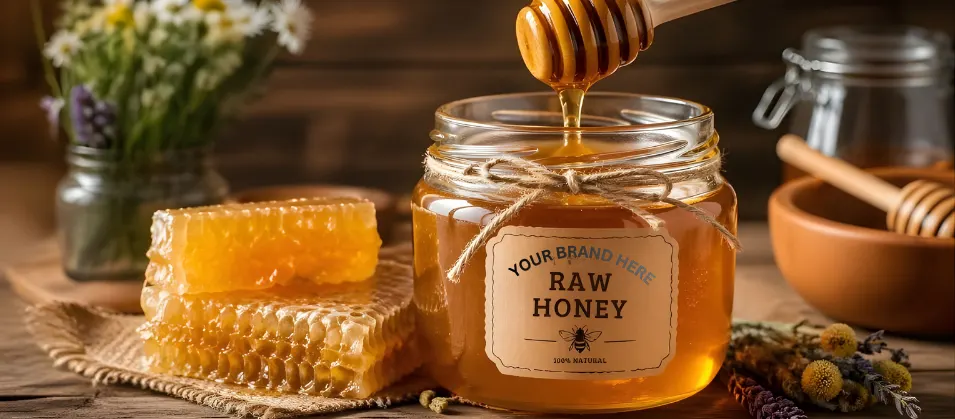
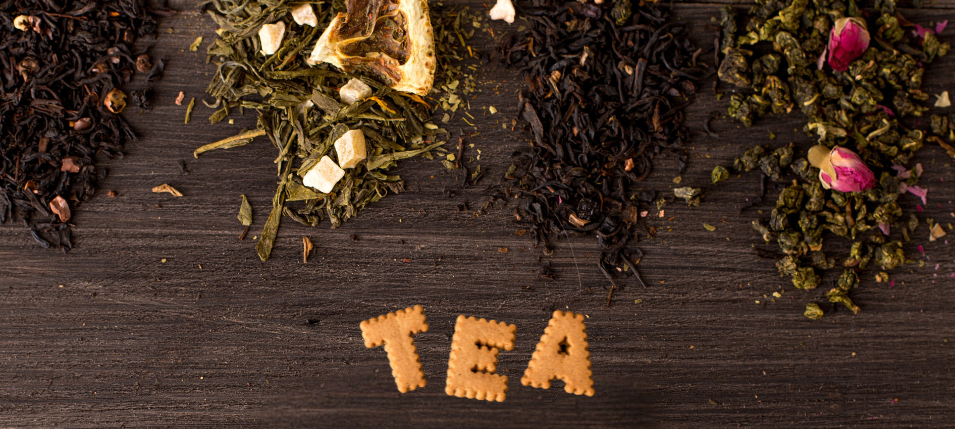
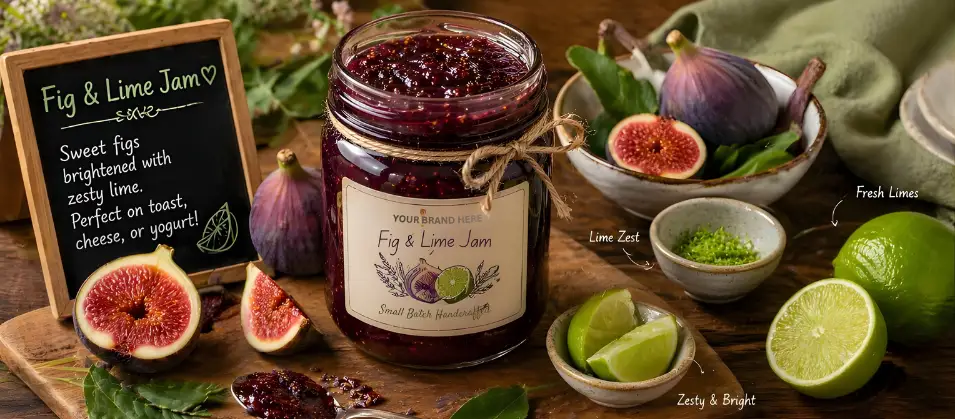
Ess Pee Quality Products works as a private label manufacturer with in-house packaging support, which makes it easier for brands to think beyond the product itself. For FMCG businesses in categories like honey, cookies, and tea, that kind of setup can help bring product development, packaging, and production together from the beginning.
That matters because packaging is not separate from manufacturing. It should work with it.
Final Thought
Custom packaging is not just a design choice. It is a business decision.
For FMCG brands, the right packaging can improve visibility, build trust, protect the product, and strengthen the brand all at once. It helps the product show up better on the shelf and feel more complete in the customer’s hands.
That is why packaging for FMCG products deserves real attention. And why custom packaging and thoughtful product packaging design should be seen as part of the brand strategy, not an afterthought.
In a crowded market, packaging is often the difference between being noticed and being ignored.
Frequently Asked Questions
1. How does packaging influence buying decisions in FMCG?
Packaging often shapes first impressions and helps customers decide quickly between similar products. A clear, attractive, and well-structured pack can make a product easier to notice, understand, and pick without much comparison.
2. What role does packaging play in brand recall?
Consistent colors, fonts, and design elements help customers recognize a product even from a distance. Over time, this familiarity builds recall, making it easier for buyers to find and choose the same brand again.
3. Can packaging impact product shelf life?
Yes, packaging directly affects how well a product is preserved. The right materials and structure can protect against moisture, air, and damage, helping maintain product quality during storage, transport, and retail display.
4. Why is functionality important in FMCG packaging?
Functionality affects how easy a product is to use, store, and carry. Practical packaging improves everyday convenience, which can influence repeat purchases, especially in FMCG categories where products are used frequently.
5. How can packaging support product positioning?
Packaging helps signal whether a product is premium, everyday, or value-focused. Through design, materials, and finish, brands can shape how customers perceive quality and decide where the product fits in the market.

In This Blog