Raw Honey Benefits: Why It Costs More Than Processed Honey
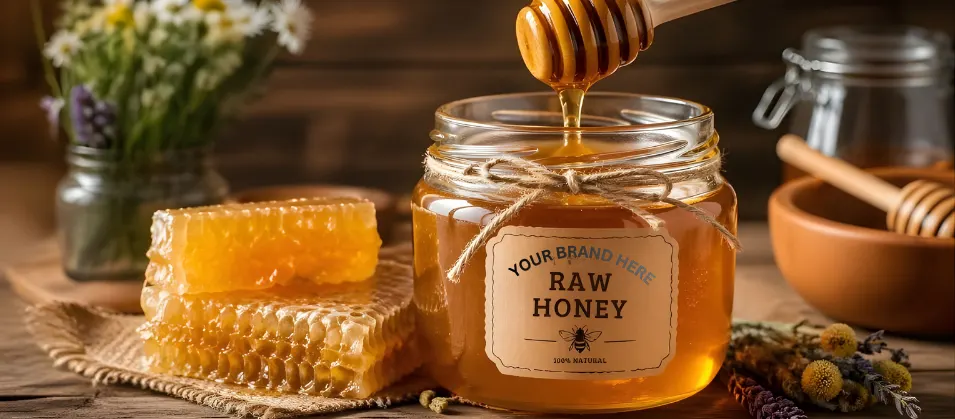
Raw honey usually costs more than processed honey, and that often leaves buyers wondering why.
On the surface, honey seems simple. However, when we examine its process of production, packaging, and storage, the cost variation seems reasonable enough. Raw honey remains largely in its natural state.
Whereas processed honey has to go through many processing steps in order for it to become more consistent, smooth, and suitable for packaging. Let’s discuss the raw honey benefits and why it is more expensive than processed honey.
What Raw Honey Actually Is
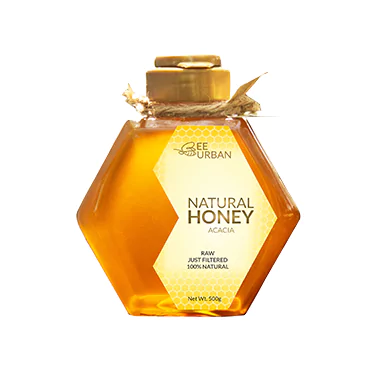
Raw honey is honey in a more natural form. It is usually harvested, lightly strained, and packed without heavy heating or aggressive filtering. That means more of its original character stays intact.
Processed honey follows a different route. It is often heated so it flows more easily and filtered more deeply to remove bits, crystals, and pollen. The result may look cleaner, but the process can also change the taste, texture, and natural feel of the honey.
This is where the value of raw honey benefits becomes clearer. People are not only paying for sweetness. They are paying for honey that has had less interference.
Raw Honey Benefits That Make It Worth It
Raw honey is often characterised by a stronger flavour, thicker viscosity, and a more natural smell as compared to processed honey. This is what makes raw honey appear more natural to many consumers.
Some of the major raw honey benefits include:
- Natural flavour and aroma
- Less processing, which helps preserve the honey
- Contains enzymes and other elements present in raw honey
- High-quality honey for consumers looking for pureness
It is also highly preferred by consumers who wish to purchase raw organic honey through fewer stages of processing. While organic raw honey is not always better than processed honey, many consumers prefer spending extra money on something more authentic.
The higher price of raw honey comes down to how it is produced and handled.
For one, it takes more care to make. Beekeepers need the right season, the right flowers, and the right yield. Raw honey depends more on nature, and nature is never predictable.
It also needs gentler handling. Because it is not heavily heated, it has to be managed more carefully during extraction, straining, and packing. That takes time and attention.
Supply plays a role, too. These factors will influence the quantity of honey that can be harvested. As the availability decreases, the prices rise.
Additional expenses:
- More manual labour in the harvest and packing process
- Less product per acre in certain periods
- Testing for quality and purity
- Sustainable and organic production methods
- Packaging to preserve the integrity of the honey without unnecessary processing
So when you wonder why raw honey is more expensive than processed honey, the answer lies within its manufacturing processes.
Why Processed Honey Is Cheaper
Processed honey is designed for speed and scale.
Heating makes honey easier to pour, bottle, and pack quickly. That lowers production time and keeps costs down. This also ensures consistency in terms of appearance, which commercial customers like since they receive standardised jars and a predictable display.
A third factor that makes processed honey inexpensive is blending. Different honeys may be mixed together to create a steady taste and reduce overall cost. That helps manufacturers produce at scale, but it can also make the final product feel less distinctive.
The trade-off is obvious. However, while processed honey is cheaper and easier to deliver than raw honey, it can lack some of those unique properties that make raw honey stand out.
Organic Raw Honey vs Regular Raw Honey
Many consumers are mistaken about organic vs regular honey.
Firstly, not all raw honeys are organically produced. Similarly, organic honeys are not produced equally. Usually, when the term “organic” is used, one expects a higher level of control and purity in both sourcing and production, which increases the cost of production. It is a time-consuming procedure.
Nonetheless, while the labeling process matters greatly, there are other factors that must be considered. The most reliable products will include:
- Source details
- Minimal processing
- Testing procedures
- Appropriate packaging and storage
- Consistency of taste and texture
While organic raw honey is usually more expensive due to its controlled nature, the buyer should consider all of these aspects.
How to Identify the Best Raw Honey in India
Finding the best raw honey in India is not about picking the prettiest jar. It is about knowing what to check.
The organic raw honey product usually shows some natural variation. The colour may change from batch to batch. The texture may be thicker or slightly cloudy. That is not a flaw. In many cases, it simply means the honey has not been over-processed.
A few practical things to look for:
- Source transparency
- Minimal processing
- Careful label reading
- Quality testing
- No overly perfect consistency
In technical terms, raw honey can also be checked through enzyme activity and HMF levels, which can show whether it has been overheated. But for most buyers, the simpler rule works well: the less altered the honey, the more likely it is truly raw.
Common Mistakes Buyers Make
A lot of people choose honey based on assumptions.
- They think clear honey is better.
- They think darker honey is always stronger.
- They think all honey is basically the same.
None of that is reliable. A better approach is to focus on quality, sourcing, and processing. Good raw honey should feel authentic and honest. It should give you enough information to trust what you are buying without needing to guess.
Final Thought
Raw honey is handled more carefully, processed less, and usually sourced with more attention to quality. That is what creates the price difference between raw and processed honey.
For buyers, the real question is not whether raw honey is expensive. It is whether the extra cost matches the value they want.
If you want honey that feels more natural, more distinctive, and closer to its source, raw honey is often worth the premium. And when comparing options, the best choice is usually the one that balances authenticity, quality, and trust.
Frequently Asked Questions
1. What are the main raw honey benefits?
Raw honey is valued for its richer taste, thicker texture, and minimal processing. It retains more of its natural character, which is why many buyers prefer it as a more authentic and less altered option.
2. Why is raw honey more expensive than processed honey?
Raw honey costs more because it requires careful harvesting, minimal processing, and consistent quality checks. It also depends on seasonal availability, which makes supply less predictable and increases overall production and handling costs.
3. Is organic raw honey always better?
Not always. Organic raw honey follows stricter sourcing and certification standards, but quality still depends on processing, handling, and storage. Buyers should look beyond labels and focus on overall product transparency and consistency.
4. How can I tell if I am buying the best raw honey in India?
Check for clear sourcing details, minimal processing, and natural variation in colour and texture. Avoid overly uniform products and look for reliable quality indicators that suggest the honey has not been heavily processed.
5. Does processed honey lose its natural value?
Processed honey remains safe to consume, but heating and filtering can reduce some of its natural characteristics. This may affect its texture, flavour, and overall profile compared to raw honey, which is less altered.

In This Blog