How Businesses Can Source Quality Honey for Global Markets

For businesses selling into international markets, honey sourcing is seldom just about the lowest quote. A dependable Honey Manufacturer has to offer more than the product. Buyers need consistency, proper documentation, food safety, and a supply chain that holds up when orders start moving.
A low price can look attractive at first, but it often comes with trade-offs. The honey may vary from batch to batch, paperwork may be incomplete, or the supplier may not really understand export requirements. That quickly becomes a problem for importers, distributors, and private label brands that need a supply they can rely on.
What Quality Means in Global Honey Markets
Quality honey is judged on much more than taste. Buyers in overseas markets look closely at purity, stability, and compliance. The product must work on retail shelves, in bulk supply, or in private label packs without causing trouble later.
The main signs of quality include:
- Purity and authenticity, with no adulteration
- Moisture control, because too much moisture affects shelf life
- Colour and flavour consistency, especially for repeat orders
- Clear documentation, including specs and test reports
Market expectations also vary. Some buyers want light, mild honey. Others prefer a darker, fuller profile. A good supplier understands those differences and helps match the product to the market instead of offering the same thing to everyone.
How to Evaluate a Honey Manufacturer
Choosing the right Honey Manufacturer starts with asking the right questions early. The strongest suppliers are not only product-focused. They are process-focused, too.
It helps to understand how the honey is handled from source to dispatch. Does the supplier manage filtration, testing, packing, and quality checks in a structured way? Can they explain the origin of the honey and how it is prepared for export? Do they share batch records and product specifications without hesitation?
Export experience is another useful sign. International trade comes with its own rules around packaging, labelling, shelf life, and documents. A supplier that already works with overseas buyers is usually better prepared for those demands.
Consistency matters just as much. One good sample is not enough. Buyers should ask for more than one sample or batch reference to see whether the quality stays steady over time.
Quality Checks Businesses Should Never Skip
Before placing a bulk order, businesses should always check the product properly. It is one of the simplest ways to reduce sourcing risk.
Important checks include:
- Lab testing for purity and composition
- Residue testing to lower contamination risk
- Moisture analysis to protect shelf life
- Sample approval before full production
- Batch traceability so the product can be tracked if needed
These checks matter because honey is often sold as a natural, premium product. That makes trust essential. Importers and retailers need to know the label matches what is actually inside the jar.
A serious supplier will not resist this process. They usually welcome it because it shows they take standards seriously and are ready for international business.
Why Private Label Options Matter for Global Buyers
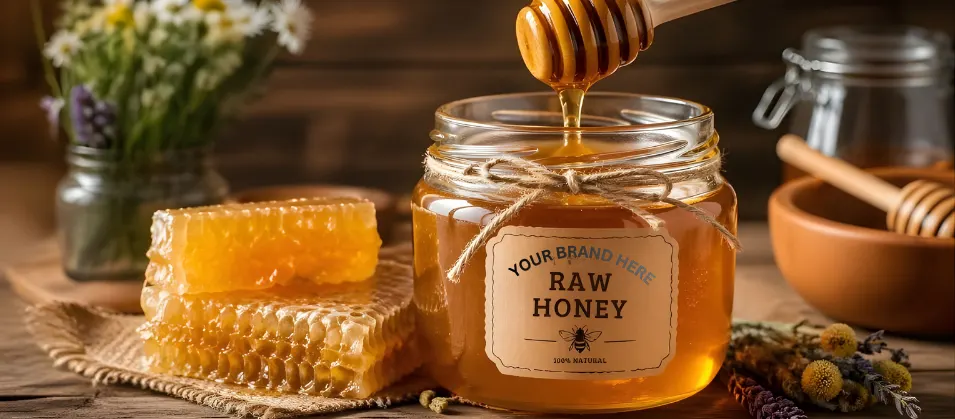
For many businesses, honey sourcing is also a branding decision. That is where Private Label Manufacturers become important. They help buyers launch or grow their own brand without building a factory of their own.
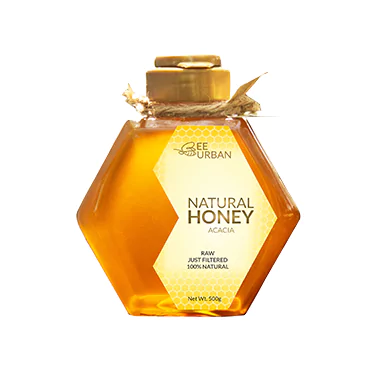
Private label supply has clear benefits. It allows faster market entry, better control over packaging, and the ability to tailor products to different customer groups. Some buyers need glass jars for retail. Others need squeeze bottles, bulk drums, or export cartons for food service.
Private labelling also helps brands stay consistent across regions. When one manufacturer can support packaging, labelling, and compliance in one place, the process becomes much easier. That is especially useful for businesses selling into several countries, each with different rules.
What Makes a Supplier Reliable For Long-term Growth
The best suppliers do not just ship orders. They help businesses grow. That means they can maintain supply over time, communicate clearly, and adjust when demand rises.
A reliable supplier should be able to manage seasonal changes without disrupting supply. They should also have the capacity to support larger orders as the business scales. If the buyer grows, the supplier should be ready to grow too.
Communication is just as important. Buyers need clear answers on product quality, lead times, packaging, and compliance. A good supplier makes that easy instead of making clients chase updates.
For many businesses, this is where Ess Pee Quality Products stands out. The focus is not just on food products, but on offering practical, export-ready supply that fits real commercial needs.
Common Mistakes Businesses Make When Sourcing Honey
Even experienced buyers can make avoidable mistakes when sourcing honey for global markets. Most of them are simple to spot once you know what to look for.
- Choosing based on price alone
- Skipping product testing
- Ignoring country-specific rules
- Overlooking packaging and label requirements
- Working with suppliers that cannot support private label needs
Each one can lead to delays, rejected shipments, or unhappy customers. A smart sourcing strategy looks beyond the quote and checks whether the supplier can support the full export process.
That is why the best buying decisions are usually based on evidence. Samples, specifications, documentation, and a clear production process matter far more than a low starting price.
Final Takeaway
Sourcing quality honey for global markets takes more than supplier outreach. It requires careful evaluation, proper testing, and a partner that understands export expectations. Businesses that focus on purity, traceability, packaging, and long-term supply are far better positioned to succeed in competitive international markets.
The best results usually come from working with a supplier that treats honey as a serious business product, not just a commodity. At Ess Pee Quality Products, this approach is reflected in structured quality control, export-compliant processes, and consistent supply standards that global buyers rely on.

In This Blog