Natural Honey vs Fake: What Every Honey Brand Should Know
The buzz around real honey vs fake honey isn’t just a marketing phrase, it’s a trust issue. When customers buy a jar of honey, they believe it’s pure, natural, and packed with goodness straight from the hive. But with so many adulterated and synthetic versions flooding the market, the line of fake honey vs real honey has become increasingly blurred.
As a brand, especially if you’ve outsourced production to a private label honey manufacturer, it’s your responsibility to make sure that the honey inside your jar is as authentic as the story printed on the label. Let’s dive into what sets authentic honey apart from fake ones and how your brand can ensure that every drop represents honesty and purity.
Understanding the Difference: Real vs Fake Honey
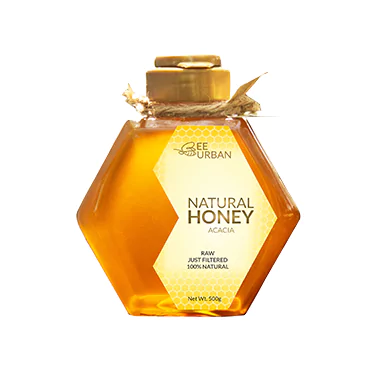
Real honey is the least processed through human intervention and largely derived by bees from flower nectar. It is nutrient rich, has a thick consistency, and has a distinct taste, color and texture. On the other hand, fake honey is just loads and loads of sugar, preservatives and additives. It often contains added glucose, corn syrup, or other sweeteners that mimic honey’s natural consistency and sweetness.
Just by look and taste of it, you can often tell the difference between real and fake honey by observing a few characteristics:
- Natural honey: Has enzymes, pollens, and antioxidants. It can slightly crystallize over time and carries floral aromas.
- Fake honey: Often remains too clear or runny, smells overly sweet, and lacks natural depth in flavor.
- Texture: Real honey tends to be thicker and stickier, while fake ones are watery and too smooth.
- Smell: Authentic honey has floral or woody notes depending on the flowers the bees visited. Fake honey often smells like plain sugar syrup.
- Taste: The taste is the real differentiator when it comes to real honey. Due to natural enzymes, it leaves a mild burning or tingling feeling in the throat. Fake honey feels overly sweet.
How to Know the Real Honey
You don’t need a lab to identify real honey. There are a few simple, traditional tests that can reveal whether the honey your brand sources is genuine or not. These tests have been trusted for generations, and they can easily be performed at the quality control stage.
- The Water Test
Take a glass of water and add a spoonful of honey.
- If it sinks to the bottom and stays there, it’s pure.
- If it dissolves quickly, it’s likely mixed with sugar syrup or artificial ingredients.
Real honey is denser because it’s naturally thick and rich in natural sugars and enzymes, while fake honey thins out due to added water or sweeteners.
- The Heat Test
Another test you can perform to test the purity of the honey is to heat it on a metal spoon and observe its behavior.
- On being burnt, real honey caramelizes smoothly.
- Fake honey burns, froths, or bubbles due to added impurities.
This test works because natural honey contains very little moisture, which allows it to caramelize instead of burning.
- The Foam Test
Add a few drops of vinegar to your honey sample and gently mix it.
- If it foams, it’s adulterated.
- If it stays still, you’re likely holding pure honey.
This is a quick test to spot honey mixed with chalk, artificial additives, or other chemical ingredients.
Fake Honey In International Markets
The large-scale adulteration of honey is due to the growing global demand. With the health-conscious consumers leading the buying dynamics and shifting from processed sugars to more natural sweeteners, some honey suppliers are cutting corners to meet demand surges.
For honey brands that have just entered the honey industry or are looking to expand their brand by outsourcing the honey production to private label suppliers, keeping the brand image clean is the real battle. Even a single jar of fake honey can take down the entire credibility of the brand. Once customers doubt the quality and authenticity of your honey brand, rebuilding that trust takes years.
That’s why you need a reliable private label honey manufacturer who is strict on their ethical sourcing, in-house quality checks, and adherence to international food safety standards. The honey should have zero adulteration and be sold in its purest edible form, from the bee farms to the packaging.
Private Label Honey Manufacturers: Your Trusted Partners
Purity is your most valuable asset in the food business and to keep that asset in good shape, you need a reliable private label honey manufacturer who’ll act as the gatekeeper. As your honey manufacturing partner, your private label hire will:
- Source honey ethically: They will source their honey from verified beekeepers who obtain it from sustainable bee farms.
- Maintain purity: Make sure that honey is unadulterated throughout the whole processing cycle.
- Test the quality of honey frequently: Conduct lab tests to ascertain moisture content, pollen count, and sugar presence.
- Package correctly: Use airtight, tamper-proof packaging that preserves freshness and flavor.
Building Trust with Natural Honey
In today’s market, customers are loyal to honesty more than labels. They care where their food comes from, how it’s made, and whether it’s genuinely natural.
So, when your brand promises “pure honey,” make sure that promise holds true from the source to the shelf. Whether you’re an established honey brand or just starting your journey in this industry, working with a manufacturer who values integrity is the smartest decision you can make.
Key Takeaways
Selling authentic honey builds trust and long-term loyalty. It reassures your customers that your brand is honest, and it positions your products as premium in a competitive market. Fake honey, on the other hand, not only affects taste and nutrition but also raises serious ethical and legal risks for brands relying on third-party suppliers.
That’s why choosing the right private label honey manufacturer becomes a strategic decision—not just a production one. A reliable partner ensures every batch meets international purity standards and passes common authenticity tests. Partner with us today and revamp your honey brand with purity.

In This Blog