What Is the Difference Between Cookies and Biscuits? A Simple Guide

Cookies vs. Biscuits: Is there a difference? While the two terms are often used synonymously, they differ in some respects. Majorly, the difference between cookies and biscuits depends on the region you are in. In India, most of us call it biscuits, whereas in the USA, they are known as cookies. But apart from this, they also differ in taste, texture, and how they are made. Let’s find out!
At a Glance: A Simple Comparison
| Feature | Cookies | Biscuits |
| Texture | Soft, chewy, sometimes cakey | Crisp, dry, snaps cleanly |
| Typical ingredients | More butter or oil, eggs, higher sugar | Leaner dough, less fat, lower sugar |
| Sweetness | Usually high | Can be sweet or savoury |
| Common uses | Treats, snacks, desserts | Tea time, dunking, long-shelf snacks |
| Shelf life | Shorter, best fresh | Longer, shelf-stable |
| Regional naming | Common in US and casual speech worldwide | Preferred in UK and many Commonwealth countries |
What in the Recipe Actually Changes the Result
Two or three changes in a formula decide whether you end up with a cookie or a biscuit.
- Fat-to-flour ratio: More butter or oil makes the dough spread and stay soft. Less fat makes a firmer dough that snaps.
- Sugar and eggs: Higher sugar and egg content encourage browning and chew. Many biscuits use less sugar and sometimes no egg, so they stay paler and crisper.
- Mixing method: Creaming butter and sugar traps air and yields a tender crumb. Minimal mixing and low aeration produce a dense, crunchy biscuit.
- Baking time and temperature: Cookies are often removed with a soft centre. Biscuits are baked longer or at a higher heat to reduce moisture and extend shelf life.
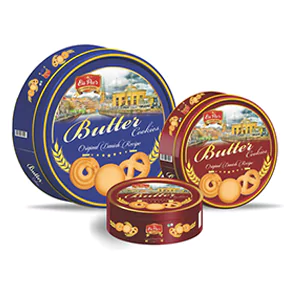
Think of a butter cookie that spreads, browns at the edges, and feels soft, then compare that to a cream cracker or Marie biscuit that stays pale and snaps when you break it.
Baking and Manufacturing Differences
If you bake at home, texture is everything. If you run a factory, consistency and shelf life matter more.
- Home baking requires attention: creaming, chilling, portioning and timing. Small differences in technique change the final bite.
- Commercial biscuit production is engineered for repeatability: precise moisture control, stable recipes and packaging that keeps crispness. Manufacturers design formulas that tolerate storage and transport.
- Packaging and logistics differ. Biscuits use moisture-barrier packs to stay crisp. Cookies often need airtight tubs or quick distribution to stay at their best.
If you are hunting for a cookies manufacturer in India, look beyond price. Ask about production capacity, shelf-life testing, FSSAI certification, packaging options, and minimum order quantity. Many Indian firms produce both biscuits and cookies, so be clear on the texture and storage you need when you ask for samples.
Taste, Serving, and Culture
Biscuits are the reliable tea mate. They dunk and keep their structure. Cookies are often an indulgence, eaten with milk, coffee, or as part of a dessert. Cultural rituals shape how each snack is served: a biscuit tin on the table, a warm cookie straight from the oven, a packet of Marie with morning tea. These habits influence product lines and marketing in different countries.
Nutrition: Which is Lighter on Calories?
In the debate of cookies vs biscuits, there is no universal winner. A wholegrain plain biscuit may be lower in fat and sugar than a butter-rich cookie. On the other hand, many biscuits are highly processed and contain added sugar and trans fats. Read the nutrition panel and ingredient list. If you want a lighter choice, pick options with less saturated fat, less added sugar, and reasonable portion sizes.
How to Choose or Buy: Quick Checklist
- Pick the use: Are you dunking with tea or serving dessert?
- Read the label: Check sugar, fat, and portion size.
- Check the shelf life: Relevant if you are making bulk purchases, especially if buying online.
- Ask for samples: Especially if you are purchasing from cookies manufacturer in India for private labelling.
- Ask about their packaging: If the cookies need to stay dry, this is an important consideration.
Want to Launch Your Cookie Brand?
Turn your cookie idea into a market-ready brand with our private label expertise.
Let’s Discuss Your BrandBottom Line
Cookies and biscuits share roots but offer different eating jobs. Cookies favour richness and chew, biscuits favour snap and shelf life. Which you pick depends on taste, storage and how you plan to serve them. Read labels, try samples and match products to purpose. Whether you dunk or indulge, knowing the difference helps you pick the right biscuit or cookie for the moment.

In This Blog